Cash on Delivery (COD), Cash Advance (CA), Cash in Advance (CID), Cheque
Supply Ability
10000 Pieces Per Week
Delivery Time
7 Days
Sample Available
No
Sample Policy
Contact us for information regarding our sample policy
Packaging Details
BOXES
Main Export Market(s)
Asia
Main Domestic Market
All India
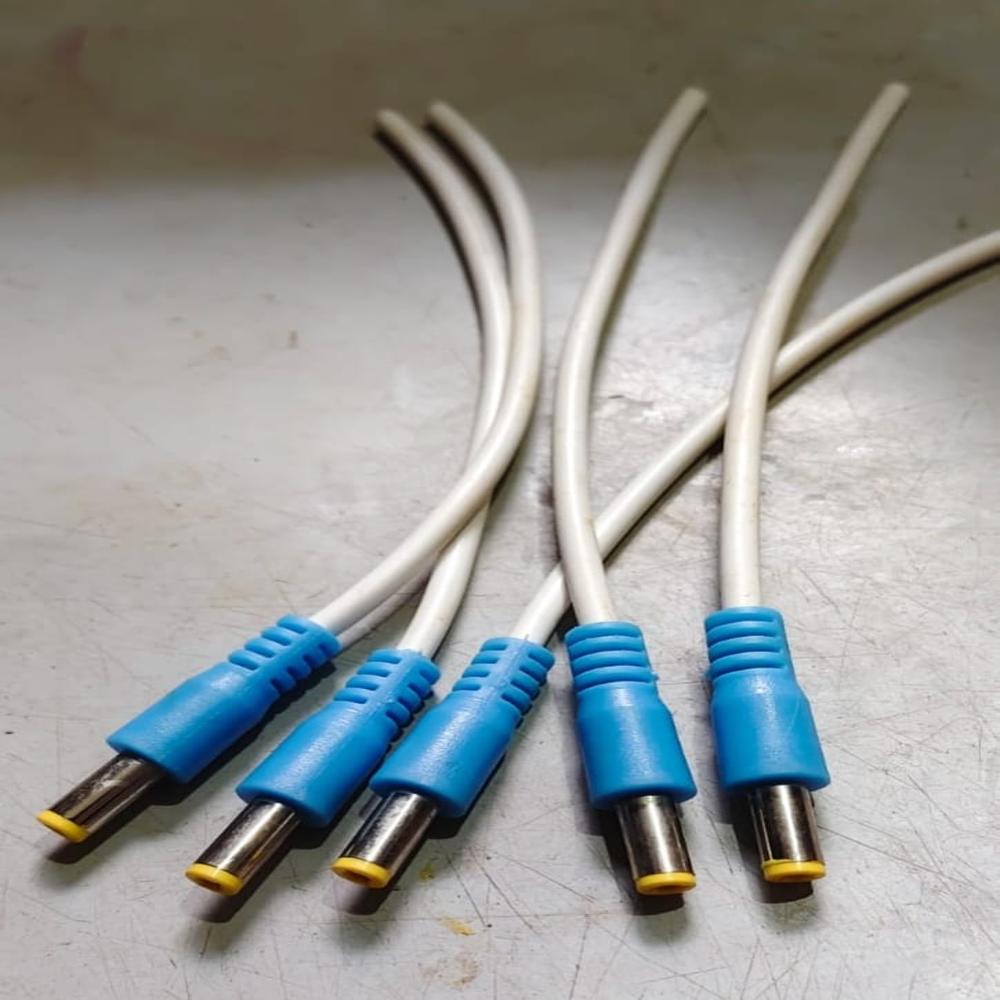
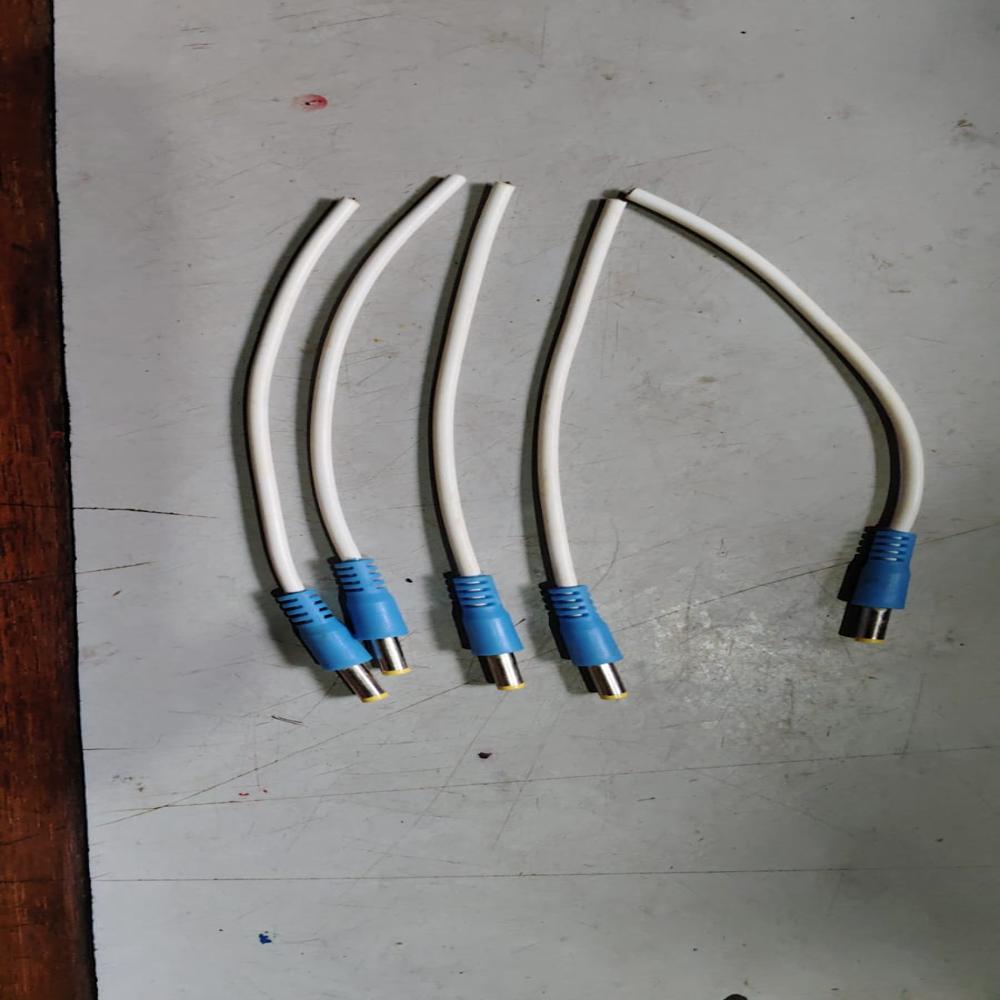
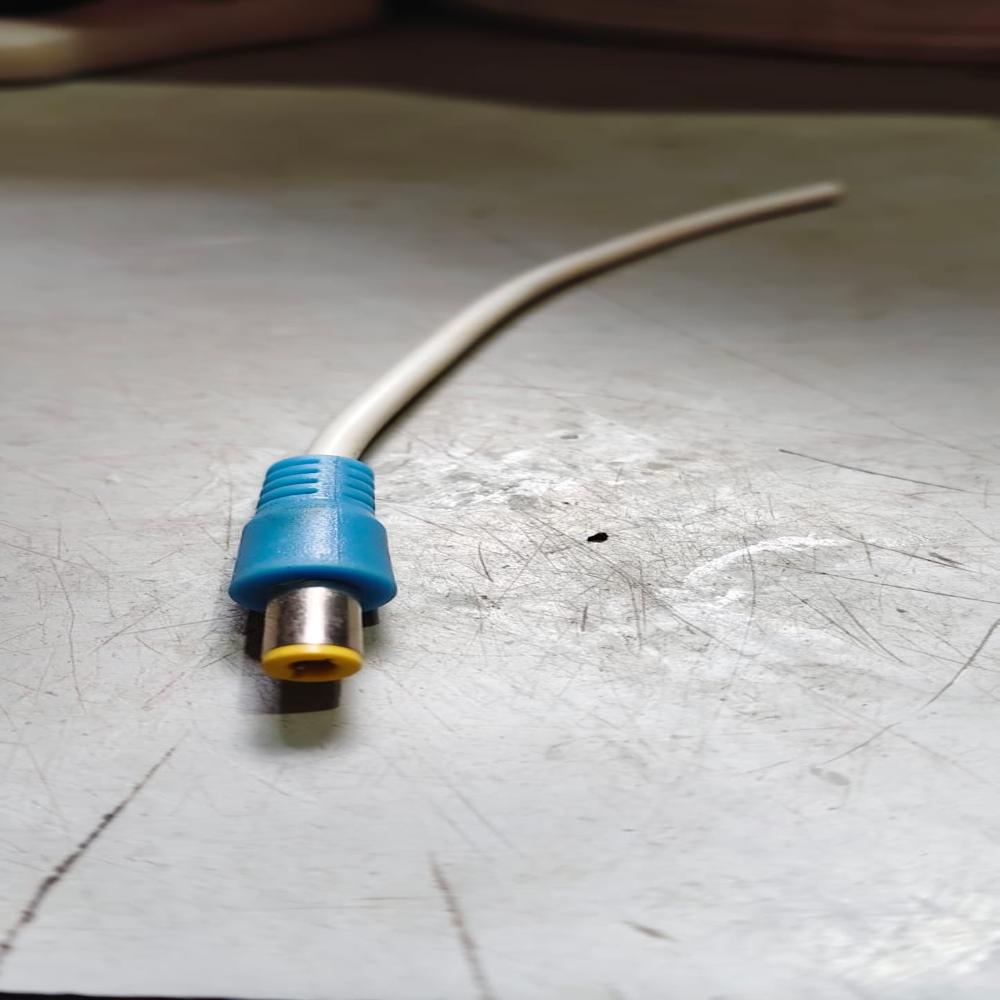
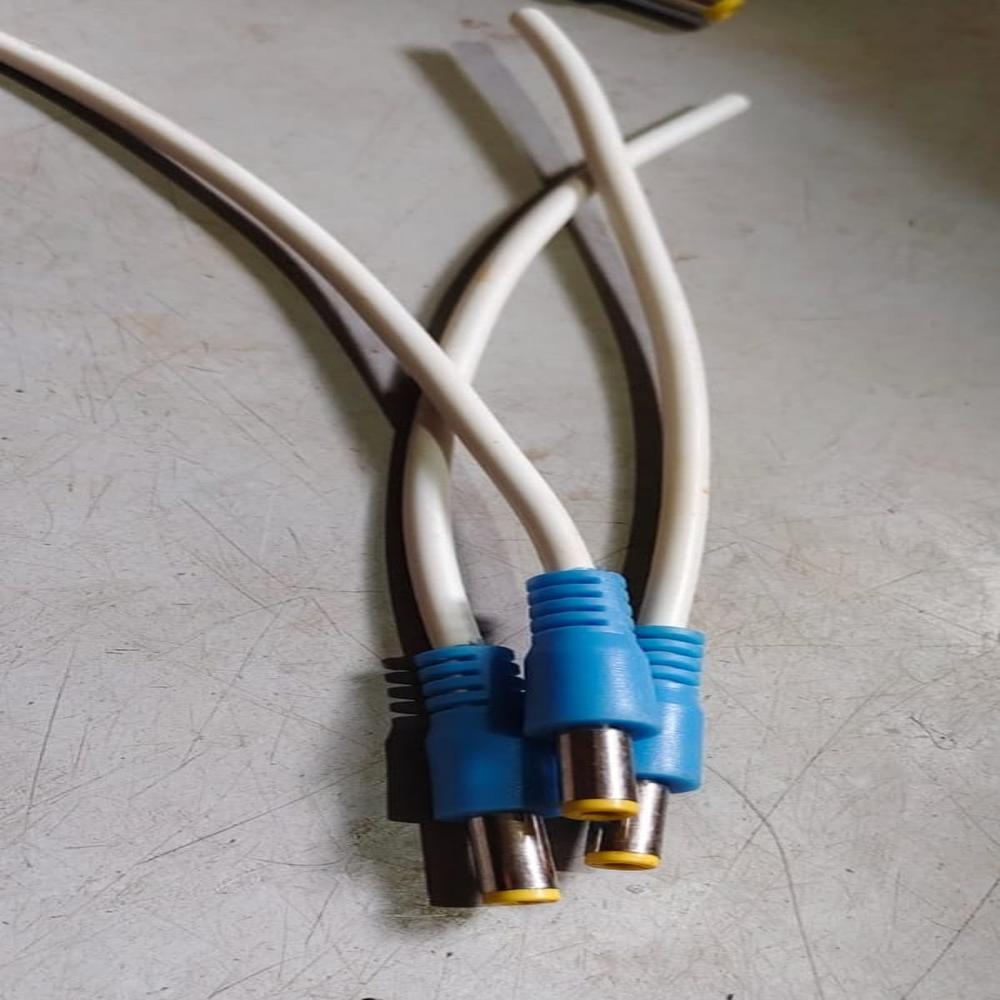
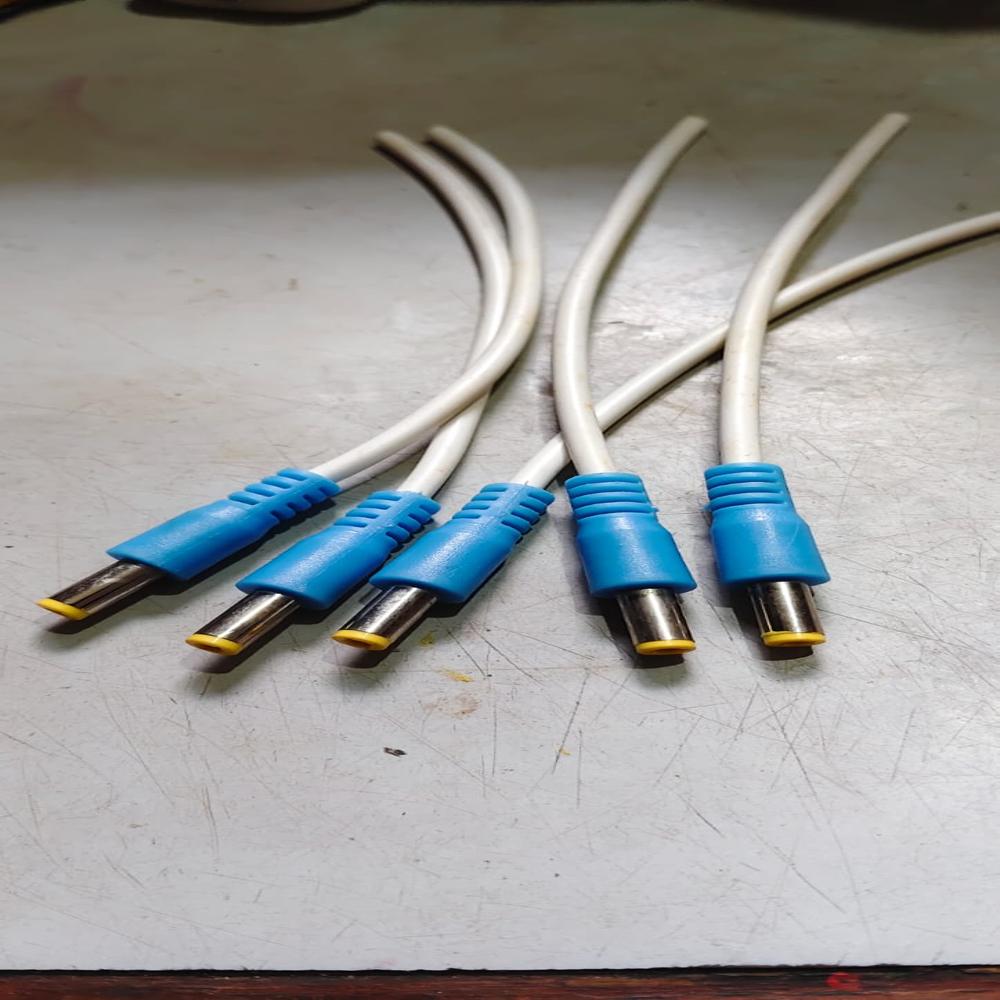
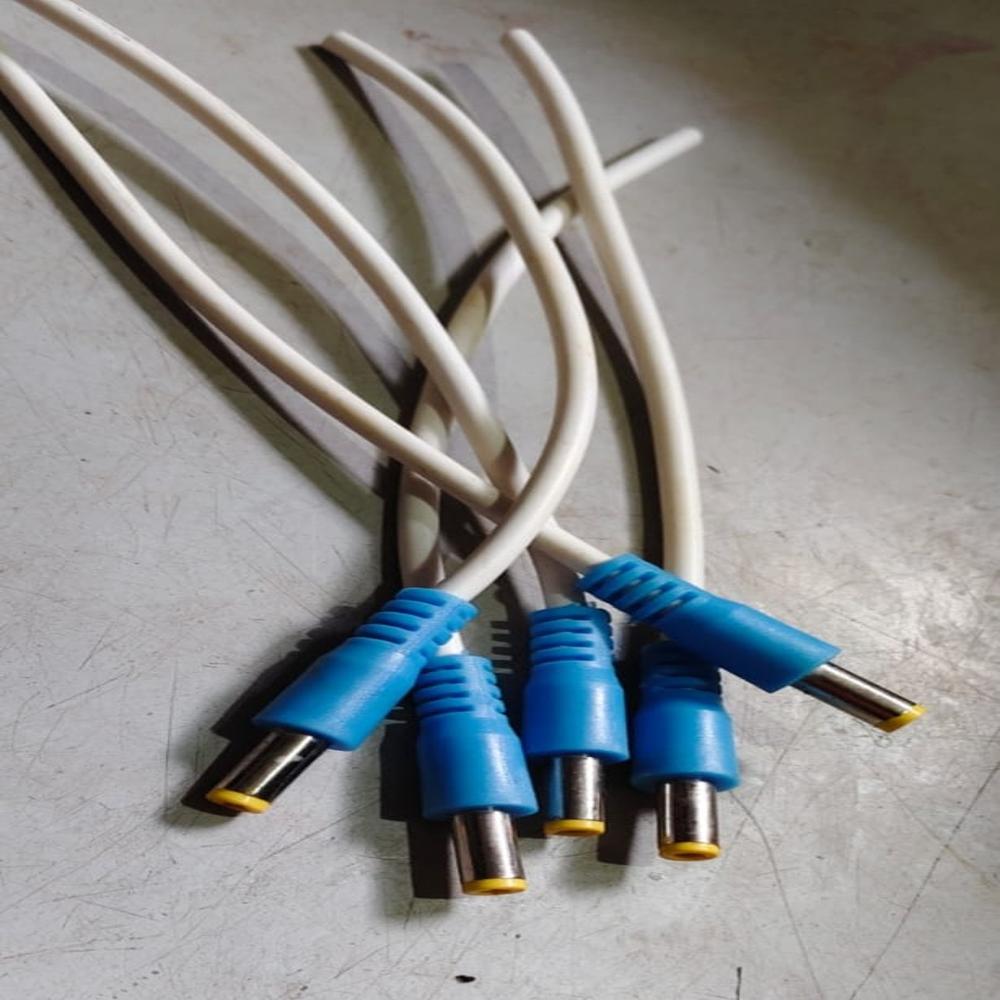
About Power DC Connector
A DC power connector is an electrical connector that supplies direct current power and comes in many different types, sizes, and configurations, the most common being barrel connectors. The lack of a universal standard means connectors are often designed to be non-interchangeable to prevent accidental connection of incompatible power sources.
Common Types of DC Connectors
Barrel Connectors/Coaxial Power Connectors: These are the most widespread type in consumer electronics. They are cylindrical with a center pin (typically positive) and an outer sleeve (typically negative). They come in various sizes specified by their outer diameter (OD) and inner diameter (ID), with common options including 5.5 mm OD / 2.1 mm ID (widely used for CCTV cameras, routers, and LED lighting) and 5.5 mm OD / 2.5 mm ID.
USB Connectors (USB-A, Micro-USB, USB-C): Modern devices extensively use USB connectors for charging and power, particularly the reversible USB-C which supports power delivery at much higher voltages and currents (up to 100 W).
Anderson Powerpole Connectors: These modular, genderless connectors are popular in amateur radio, mobile, and emergency power systems due to their ease of connection and high current capacity.
XT Connectors (e.g., XT60, XT90): Used primarily in radio-controlled (RC) hobbies and robotics, these connectors are known for their reliable, low-resistance connections and high current handling capability.
Blade Connectors/Molex Connectors: Molex connectors were historically common inside personal computers for powering components like hard drives and CD drives, using multiple pins to supply different voltages (e.g., +5 V and +12 V).
EIAJ Connectors: Standardized by a Japanese trade organization, these come in five different sizes, each associated with a specific voltage range to prevent mismatches.
Key Considerations
When choosing a DC power connector, several factors are important to consider:
Voltage and Current Ratings: Ensure the connector can safely handle the required voltage and current levels to prevent overheating or damage.
Physical Dimensions: Especially for barrel connectors, matching the outer diameter (OD) and inner diameter (ID) is crucial for a proper fit.
Polarity: The center pin is typically positive (+), but some devices may use center-negative polarity. Always check the device's specifications to avoid damage from reverse polarity.
Mounting Type: Options include cable mount, panel mount, and PCB (printed circuit board) mount, depending on the application.
Environmental Factors: For harsh conditions, features like IP sealing, strain relief, and robust materials may be necessary.



 Get Latest Price

 Send Inquiry